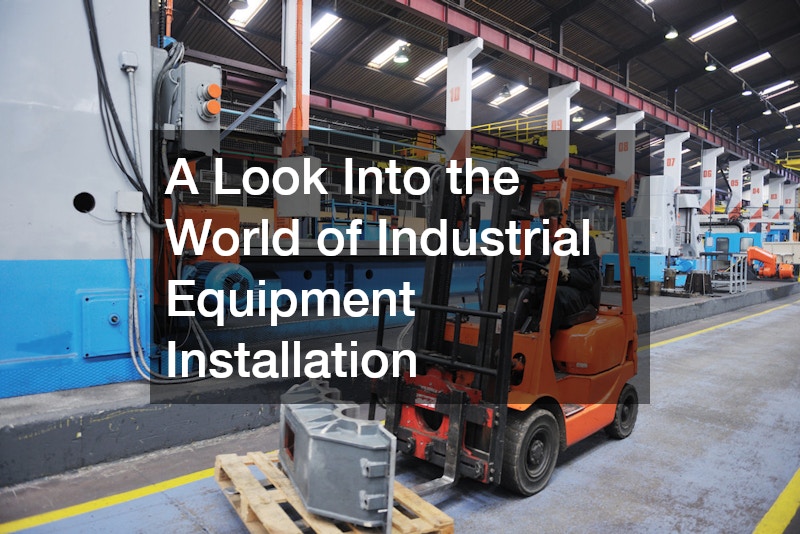
Industrial equipment installation is a complex field that requires meticulous planning and execution. It involves setting up machinery and systems that are essential for manufacturing and production in various industries. This type of installation ensures that the equipment functions efficiently and safely within its designated environment.
Specialists in this field must have a thorough understanding of the equipment’s specifications and requirements. Additionally, they must adhere to industry standards and regulations to mitigate risks associated with machinery installation.
Industrial equipment ranges from small machinery to massive systems that handle extensive production processes. Proper installation of this equipment type is crucial, as any misalignment or improper setup can lead to operational inefficiencies or safety hazards. The process often involves collaboration among engineers, technicians, and construction specialists to ensure that each piece of equipment is installed correctly. This collaboration is essential for troubleshooting and addressing any potential complications. Consequently, a well-installed system contributes to the longevity and reliability of industrial equipment.
Furthermore, the installation process includes precise measurements and alignment of components. Precision is paramount to ensure that the equipment operates at optimal performance. Industrial equipment installation may also involve the integration of modern technologies such as automation systems and sensors. These technologies aid in monitoring the equipment’s performance and provide data for preventive maintenance. The seamless integration of technology into industrial equipment marks a significant advancement in how installations are conducted today.
The Planning Phase of Industrial Equipment Installation
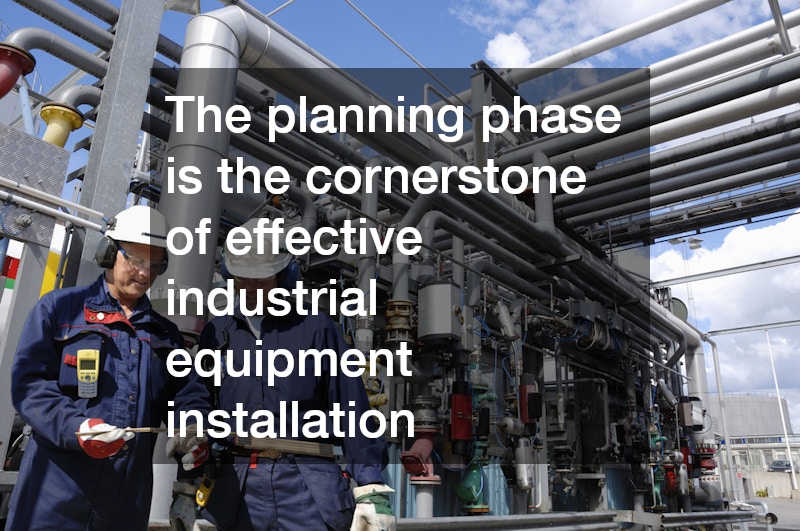
The planning phase is the cornerstone of effective industrial equipment installation. Accurate planning mitigates the risks of errors that could occur during installation. Planning involves understanding the equipment’s purpose and its operational environment. Engineers must consider factors such as spatial constraints, load capacities, and compatibility with existing systems. This detailed planning ensures that all components will fit and function as intended.
During the planning phase, a feasibility study is often conducted to evaluate the practicality of the equipment setup in the designated space. This involves assessing the site’s structural integrity and the existing infrastructure’s ability to support the new equipment. Engineers and project managers collaborate to create a timeline that outlines each stage of the installation process. Such timelines are crucial for maintaining project momentum and meeting completion deadlines. Careful analysis during planning also helps in resource allocation and budget management.
An essential aspect of planning is ensuring compliance with safety and environmental regulations. Industrial equipment installations must adhere to local, national, and sometimes international standards. This compliance protects workers and the surrounding community from potential hazards. Inspectors often review plans to ensure they align with regulatory expectations. As such, detailed documentation of the planning process is necessary for efficient reviews and approvals from relevant authorities.
Challenges in Industrial Equipment Installation
Despite its importance, industrial equipment installation presents numerous challenges that professionals in the field must navigate. One primary challenge is dealing with the complexity of modern equipment, which often incorporates advanced technology and intricate designs. The specialized nature of these technologies requires skilled technicians who can manage the installation process. Training and experience are critical, as improper handling can result in operational failures or even damage to the equipment.
Logistics also pose significant challenges during equipment installation. Heavy machinery often requires special transportation arrangements to the installation site. Additionally, the site itself might present obstacles such as limited access, requiring creative solutions for successful delivery and installation. Coordinating these logistics requires meticulous planning and collaboration with various stakeholders. As a result, installation projects often operate on tight schedules that leave little room for delays.
Another challenge is ensuring proper communication between all parties involved in the installation process. Miscommunication can lead to errors in installation or misalignment of the equipment. Regular meetings and updates are necessary to keep everyone informed and aligned with the project goals. Advanced project management tools are increasingly being used to facilitate communication and streamline workflow. These tools provide a centralized platform for all project information, enhancing efficiency and collaboration.
The Future of Industrial Equipment Installation
Looking forward, the field of industrial equipment installation is poised to experience significant advancements driven by technological innovations. The integration of IoT (Internet of Things) devices is an emerging trend that is transforming how equipment installations are approached. IoT devices allow for real-time monitoring and data collection, enhancing the efficiency of installation processes and ongoing maintenance. This technological integration ensures equipment operates optimally while reducing the risk of failure or downtime.
Furthermore, automation is set to play a pivotal role in future installations. Automated systems can execute complex installation tasks with high precision, improving overall safety and reducing human error. The rise of robotics in industrial installations signifies a shift towards more efficient and cost-effective processes. Robotics can handle hazardous tasks that may pose risks to human workers, broadening the scope and possibilities for installations in challenging environments. These advancements signify a promising future for industrial equipment installation.
Sustainability is another driving factor in the future of industrial equipment installation. There is a growing emphasis on reducing carbon footprints and energy consumption during installation processes. Eco-friendly practices and sustainable technologies are being adopted to align with environmental goals. As industries focus more on sustainability, equipment installation will continue to evolve to support these objectives. This evolution highlights the crucial balance between technological advancement and environmental responsibility in the years to come.